
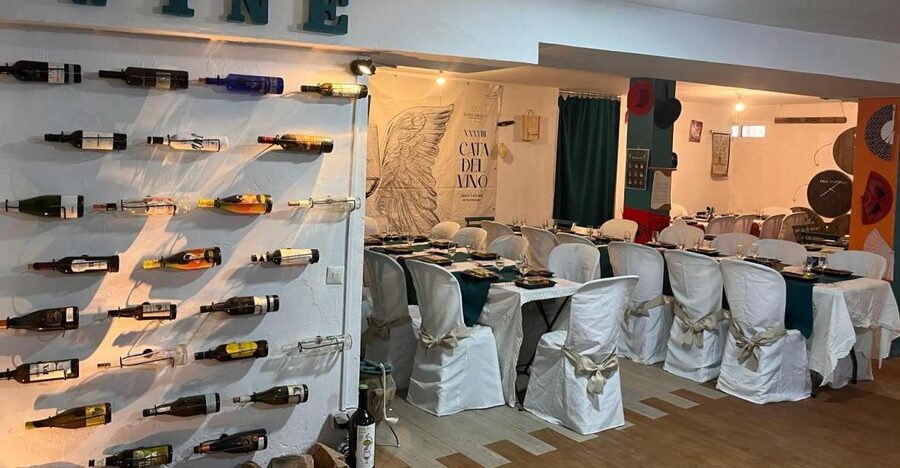
Review · CORDOBA TOURS
Extra Virgin Olive oil tasting
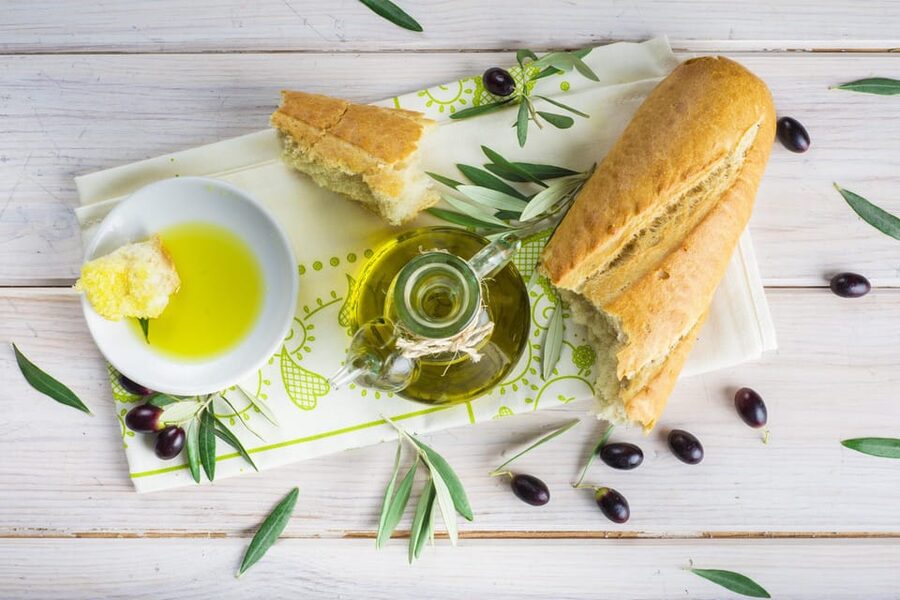
Córdoba’s olive oil is more than a bottle to bring home. In this 75-minute tasting, you learn how local varieties differ, what goes into making extra-virgin oil, and how to taste it with fresh bread in the style of a traditional desayuno molinero.
I like two things in particular: the chance to compare six oils from Córdoba side by side, and the personal instruction from guides such as Barbara, Adrian, Mara and Gloria, who bring local food and production to life. One consideration: this is a seated tasting and short food-focused outing, not a visit to an olive grove or working mill, and the activity is not suitable for wheelchair users.
What makes this tasting worth your time
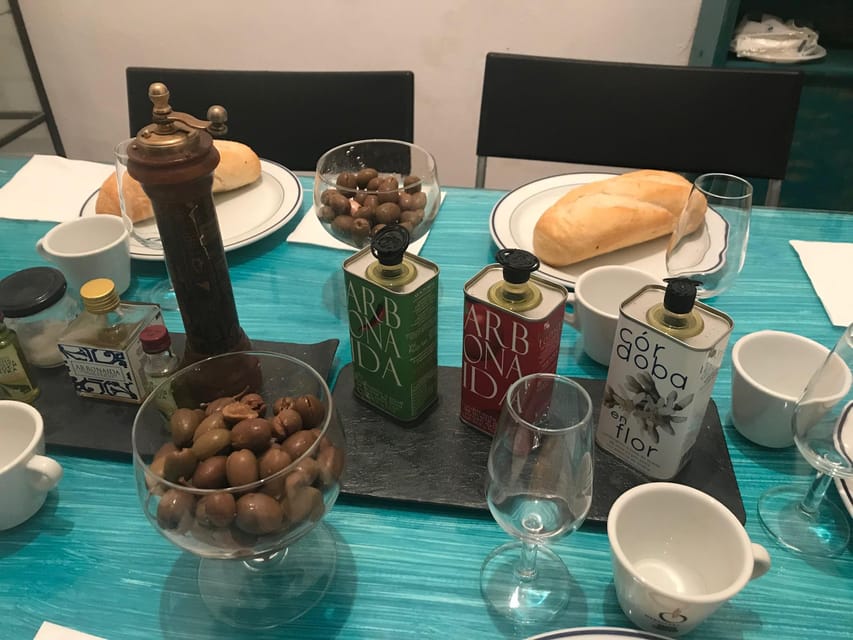
- Six Córdoba oils in one sitting: Compare oils made from varieties including picual, arbequino, picudo and hojiblanca.
- Bread is part of the lesson: Taste the oils with pan del vacar as part of a traditional desayuno molinero.
- A market-side start: Meet at the Corredera market, where some sessions begin with a walk through the stalls and a bakery stop.
- Local stories, not just tasting notes: Guides including Barbara, Adrian, Mara and Gloria explain production and regional food traditions.
- Coffee and tea are included: The tasting comes with a drink, and some sessions have featured Arabic coffee from a local producer.
- A modest price for a focused lesson: At $15 per person, the fee covers the oil tasting, bread and coffee or tea.
Start under the Corredera market clock
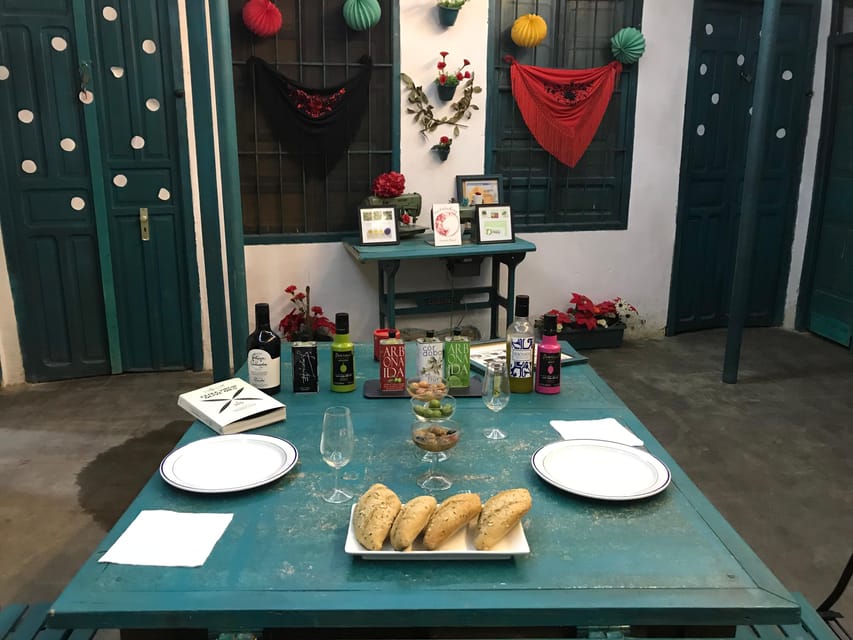
The meeting point is specific and easy to look for: a large clock beneath the main entrance to the market at Corredera Square. From there, the outing connects Córdoba’s everyday food shopping with the olive oil that has shaped the region’s cuisine.
Some sessions include a stroll through the market before the tasting. You may see local foods and hear how to distinguish ordinary products from premium ones, with practical pointers on what to buy or how ingredients are used in recipes. One guide has also taken the group to a bakery to choose the bread for the tasting. These details help make the outing feel rooted in the city rather than staged as a stand-alone sampling.
The market visit is not described as a full food tour, so keep expectations in proportion. Its value is the context: you get a glimpse of local produce before sitting down to focus on one of the region’s central ingredients.
More food and drink tours in Cordoba:
- Córdoba: Local Wine Tasting Evening
★ 4.9 · 234 reviews - Sevilla Food Tour: Tapas, Wine, History & Traditions
★ 5.0 · 3,468 reviews - The Seville Tapas Crawl Tour by Food Lover Tour
★ 5.0 · 1,213 reviews
Meet the oils one by one
The tasting is the heart of the session. You sample six extra-virgin olive oils from Córdoba, with bread and coffee or tea included. Guides explain how the oils are made, which olive varieties are used, and how factors such as the olive and production process shape what you taste.
Expect the oils to differ more than a quick drizzle on a salad might suggest. Tasting them one at a time lets you pay attention to their individual flavours and aromas. The guide can help you put those differences into words, which is useful if you have always enjoyed olive oil but never felt sure how to compare one bottle with another.
The varieties covered include picual, arbequino, picudo and hojiblanca. The session is a good way to learn the names and begin to connect each variety with a distinct tasting experience. The exact number of oils is listed as six, although one past session included seven, so treat six as the reliable expectation rather than counting on an extra sample.
This is an educational tasting, but it does not sound like a formal exam in tasting vocabulary. Guides explain the oils in a friendly way and invite discussion. If you are curious about why one oil tastes different from another, this is the time to ask.
Try the desayuno molinero

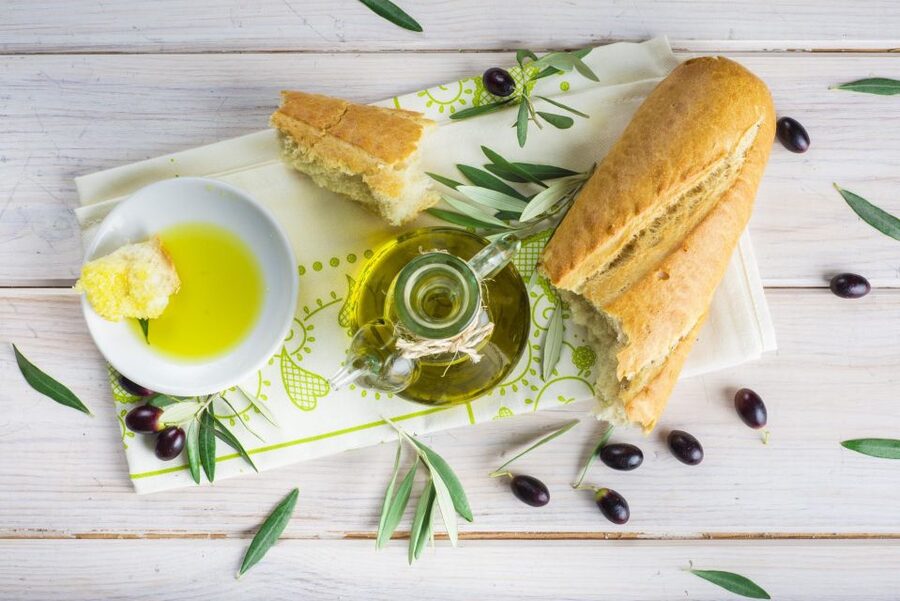
Bread is not an afterthought here. The tasting draws on the desayuno molinero, an old, simple way of eating olive oil with bread. You dip or spread the oil on pan del vacar and taste the pairing as it was traditionally enjoyed.
That pairing matters. Olive oil can taste different on its own than it does with food, and bread offers a straightforward way to compare each sample. It also turns the session into a light breakfast rather than a sequence of tiny, disconnected sips.
Coffee and tea are included, and Arabic coffee from a local producer has featured in the tasting. Water has also been used between oils to clear the palate. You may want to arrive ready to enjoy a small meal, not just a lecture with samples.
A useful tip: if the guide offers an olive sandwich, try it. It was singled out as a worthwhile extra taste, though it is not listed as a guaranteed inclusion. The listed food is bread for the desayuno molinero, so consider the sandwich a possible bonus, not part of the promised menu.
Learn what extra-virgin means
The guide covers the process from olive to bottle, along with the standards that define extra-virgin olive oil. That background helps you understand why the label matters and what production choices can influence the finished oil.
You also hear about harvesting and processing, and the guide may explain where the olives were grown. The details make the tasting practical: once you know how varieties and methods can affect flavour, you have a better basis for comparing oils when shopping at home.
This is also where the local connection comes through. Córdoba is a major olive oil-producing area, and the guide puts the product into the wider story of regional food and older habits of using oil. Barbara has shared personal family experience with olive oil production dating back generations; Adrian has spoken about Córdoba’s food and history; Mara has led tastings with open discussion. The specific guide varies, but the experience is built around an instructor who can talk about the oil as both a product and part of local life.
Same city, a different kind of day:
- Córdoba: Skip-the-Ticket-Line Mosque-Cathedral Guided Tour
★ 4.6 · 9,634 reviews - Cordoba Mosque-Cathedral: Skip-the-Line Guided Tour
★ 4.7 · 6,610 reviews - Córdoba: Jewish Quarter, Mosque, and Alcázar Tour
★ 4.7 · 4,279 reviews - Cordoba: Equestrian Show General Entry
★ 4.5 · 2,333 reviews
A personal lesson, not a factory visit
The experience takes place in a tasting room, rather than at an olive farm or mill. Some sessions have used a cool, comfortable basement studio after the market walk. You get a close look at the oils and time to ask questions, but you do not see the trees being harvested or machinery pressing the olives.
That distinction is worth knowing when you book. If you want a hands-on agricultural visit, this is not the same thing. If you want a compact introduction to varieties, production and tasting, it delivers those elements without taking up half a day.
The atmosphere appears to be warm and conversational. Small, personalized groups have been part of the format, and guides are described as funny, friendly and passionate. That can make a difference in a tasting: a good host keeps the information lively and helps you notice what you might otherwise miss.
Is $15 good value?
At $15 per person, the price is reasonable for a 75-minute guided session that includes six oils, bread and coffee or tea. You are paying for more than the food itself. The guide’s explanations help turn a handful of samples into a useful lesson about varieties, production and local eating customs.
The value is strongest if you enjoy food or want to make better choices when buying olive oil. You leave with more than a favourite flavour: you gain a framework for comparing bottles and asking useful questions about what is inside them.
There is also an in-situ shop where you can buy an oil you liked, with the provider offering what it describes as a good price. You do not need to purchase anything to take part, but the tasting gives you a chance to try before deciding. If you plan to bring oil home, this can be more useful than choosing a bottle based only on its label.
The outing is less compelling if you are not interested in food or already know a great deal about olive oil. It is also a short tasting, not a full breakfast tour or a deep visit to production sites. At this price, though, it is an easy way to add a local food lesson to a day of sightseeing.
Who should book this Córdoba tasting?
I would recommend it to olive oil fans, curious cooks and anyone who wants an activity that feels different from another round of monuments and museums. It also suits people who like to learn through tasting rather than through a long presentation.
The friendly approach makes it a good option for a mixed group, even if not everyone arrives as an oil enthusiast. You can enjoy the bread and coffee, compare the samples, and take in a little market and food culture along the way.
If you are choosing between this and a longer excursion, think about what you want from your time. This is a compact, central activity focused on tasting and explanation. It does not include transport to olive groves or a mill, and it is not suitable for wheelchair users.
Sessions are offered in Spanish and English. The stated duration is 75 minutes, though one session has lasted about an hour and a half, so avoid scheduling something immediately afterward if your timing is tight. The meeting point is beneath the clock at the main entrance to the Corredera market.
Should you book it?
Book this if you want to understand why Córdoba’s olive oils taste different and enjoy learning by sampling. Six oils, local bread, coffee or tea and a lively guide make $15 a fair price for a focused introduction.
Skip it if your priority is seeing olive trees or production machinery, or if you need a wheelchair-accessible activity. For a short, food-centered break in the city, though, this is a thoughtful choice, especially if you would like to leave knowing which oil you want to take home.
FAQ
How long does the olive oil tasting last?
The stated duration is 75 minutes. One session has lasted about an hour and a half, so leave a little extra time if your schedule is tight.
How much does the tasting cost?
The listed price is $15 per person.
Where is the meeting point?
Meet beneath the large clock at the main entrance to the Corredera Square market.
How many olive oils are included?
The tasting includes six olive oils from Córdoba. One session sampled seven, but six is the stated inclusion.
Which olive varieties might I learn about?
The varieties named for the tasting are picual, arbequino, picudo and hojiblanca.
Is food included?
Yes. Bread for the traditional desayuno molinero is included, along with coffee and tea.
Is the tasting offered in English?
Yes. The listed languages are Spanish and English.
Is the activity suitable for wheelchair users?
No. The activity is listed as not suitable for wheelchair users.
Can I buy olive oil after the tasting?
Yes. There is an in-situ shop where you can buy an oil you liked during the tasting.
Can I cancel for a refund?
Yes. You can cancel up to 24 hours in advance for a full refund. Reserve now and pay later is also available.
Newest tours in Cordoba
- Cordoba: Guided Tour of Medina Azahara at Night★ 4.5 · 92 reviews
- Cordoba: Early Bird Private Tour of the Mosque-Cathedral★ 5.0 · 14 reviews
- Córdoba: Tour of the three cultures to see the city in a day★ 4.9 · 17 reviews
- Cordoba: Tapas Bars Tour With Local Guide★ 4.8 · 11 reviews
- Cordoba City Tour on Your Phone: The Glory of Al-Andalus★ 3.3 · 5 reviews
- Tapas Tour in Córdoba★ 4.1 · 18 reviews
- Córdoba: Private Walking Tour★ 4.8 · 22 reviews
- Córdoba: Private Mosque-Cathedral and City Tour★ 5.0 · 3 reviews
Cordoba Tours, compared.
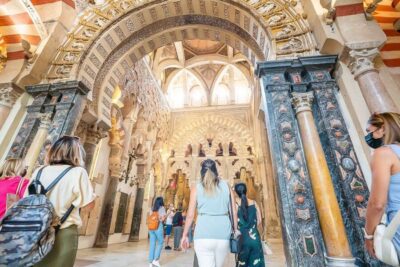
Skip-the-Ticket-Line Mosque-Cathedral Guided Tour
Read our review →
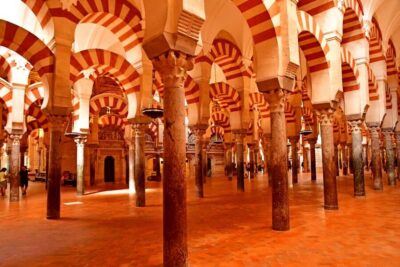
Cordoba Mosque & Jewish Quarter Tour with Tickets
Read our review →
Skip-the-Line Great Mosque-Cathedral History Tour
Read our review →
Mosque-Cathedral of Córdoba Guided Tour with Tickets
Read our review →
Browse the lists this tour appears in