
Review · CORDOBA TOURS
Córdoba: Tour of the three cultures to see the city in a day
Córdoba’s story is not confined to one grand monument. This two-hour walk links Roman remains, lively squares, the Jewish Quarter, and the Roman Bridge to show how Jewish, Arab, and Christian influences shaped the city. I like that the route helps you read the streets as well as the landmarks.
Two things I especially like are the compact route through several distinct neighborhoods and the chance to hear local stories from a Córdoba guide. Paula, Angela, Angie, and Antonia have each led tours, and their enthusiasm for the city comes through in the way visitors describe their guiding.
One consideration: the live tour and included audio guide are in Spanish. An English-speaking visitor has said Antonia summarized between stops, but that is not promised, so you should book only if Spanish works for you or you are comfortable with some gaps.
- A two-hour introduction: Start at Plaza de las Tendillas and finish by the Roman Bridge, a useful first-day orientation.
- Three cultural threads: The walk connects Jewish, Arab, and Christian history through streets and neighborhoods.
- A route beyond headline sights: Expect squares, lanes, and the old wall as well as familiar landmarks.
- A synagogue ticket is included: The ticket is part of the price, though check whether the timing allows you to use it during the walk.
- Spanish is the tour language: The audio guide is also in Spanish, and any help for other languages is not guaranteed.
A two-hour route that gives Córdoba context
At $11 per person, this is a low-cost way to make sense of Córdoba before you start exploring on your own. The route is short enough to fit into a busy day, but it covers enough ground to connect parts of the city you might otherwise visit as separate stops.
The tour is designed to introduce Córdoba’s Jewish, Arab, and Christian past through its streets, walls, and neighborhoods. That matters in a city where a monument can tell only part of the story. A guide can explain how the city’s different communities and eras relate to the places you are standing in.
The pace and content suit a first day particularly well. You get a broad orientation, a few historical landmarks, and stories about local characters, customs, and food traditions. It is not a substitute for a longer visit to any one site, but it can help you decide where to return.
Córdoba Única runs the walk with a native, official guide. Past guides have included Paula, Angela, Angie, and Antonia. The details of the storytelling may vary with the guide, but the aim is to see the city through a local perspective rather than simply tick off its best-known sights.
Plaza de las Tendillas sets the scene
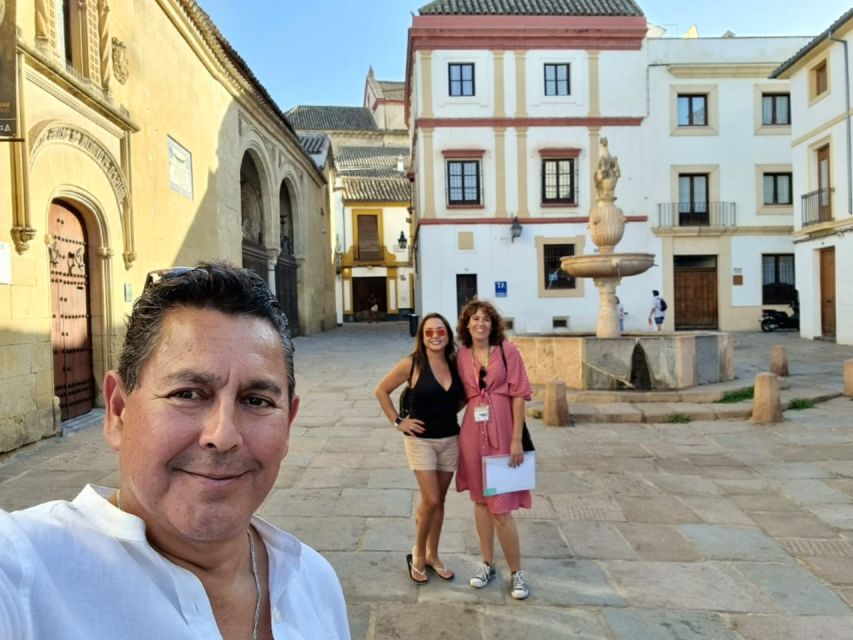
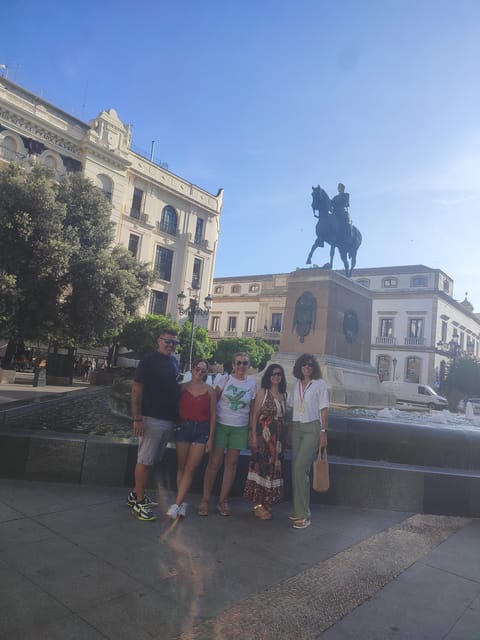
The meeting point is in front of the equestrian sculpture of the Great Captain at Plaza de las Tendillas. Look for the guide carrying a Córdoba Única flag. It is a central starting point and a practical place to begin getting your bearings.
From here, the walk moves into the city’s layered past. The tour presents Córdoba as the only city in the world with four Heritage declarations. That claim gives you a sense of the city’s cultural importance, though the most useful part of the visit is seeing how its different periods appear in the streets around you.
The introduction is a chance to learn what to notice as you walk. You will hear about the city’s history and famous figures, along with customs and traditions that still matter locally. If you are arriving without much background, those connections can make later sightseeing feel less like a list of buildings.
Other tours people book in Cordoba:
- Córdoba: Skip-the-Ticket-Line Mosque-Cathedral Guided Tour
★ 4.6 · 9,634 reviews - Cordoba Mosque-Cathedral: Skip-the-Line Guided Tour
★ 4.7 · 6,610 reviews - Córdoba: Jewish Quarter, Mosque, and Alcázar Tour
★ 4.7 · 4,279 reviews
Roman Temple and the changing city
The Roman Temple of Córdoba is an early stop, with time for a visit, photos, and the guide’s explanation. Its presence adds another layer to a tour focused on Jewish, Arab, and Christian influences: Córdoba’s story begins well before those later cultural eras.
The stop is useful for putting the city’s long timeline in view. Rather than treating each historical period as a separate chapter, you can start to see Córdoba as a place that kept changing while older traces remained part of the urban setting.
Afterward, the walk continues through central streets toward Corredera Square. The route is on foot, so comfortable shoes are a sensible choice. The tour runs in all weather, which makes a light rain layer or sun protection a practical addition depending on the forecast.
Corredera Square and Plaza del Potro
Corredera Square gives the tour a change of scale. After streets and historic remains, the broad square offers space to pause, take photos, and hear more about the city’s character. It is one of the stops where the guide can help link everyday public places to Córdoba’s wider story.
Next comes Plaza del Potro, another small but distinctive point on the route. Its value is not just as a photo stop. The sequence of squares helps you understand how the city is arranged and gives the walk a more local feel than a tour limited to major monuments.
The guide also shares curiosities and legends. These lighter stories can make a short tour more memorable, especially if dates and dynasties are not your preferred way into history. They also help break up the walk, though the amount of detail will depend on the guide and the group.
Calle Pedro Jiménez and the old wall
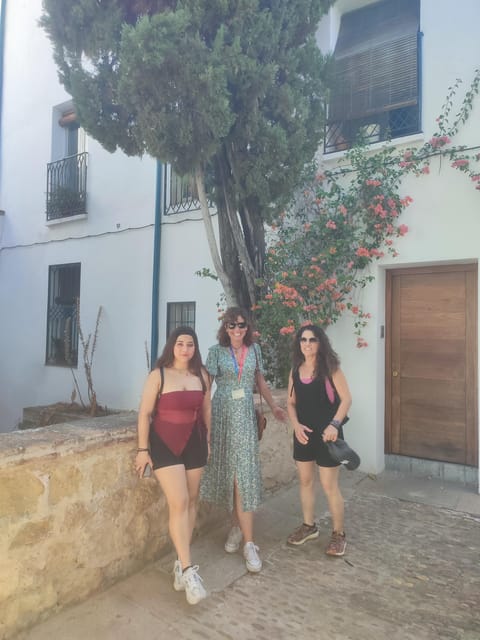
Calle Pedro Jiménez is listed as a stop with time for a break, a visit, and photos. The tour description also promises a look at what Córdoba’s wall was like in the past. Together, these details point to one of the walk’s strengths: it does not rely only on famous buildings, but uses smaller streets and traces of the city’s defenses to fill in the picture.
This is a good place to pay attention to the guide’s explanations. A street can seem ordinary if you pass through it quickly, but its position and relationship to the old city can help you imagine how Córdoba was organized. The tour is brief, so you should expect an introduction rather than an extended archaeological account.
There is no meal included, but the guide shares information about Cordoban gastronomy and local customs. Treat that as a useful pointer for what to seek out later, not a food tasting or restaurant stop.
Same city, a different kind of day:
- Cordoba: Equestrian Show General Entry
★ 4.5 · 2,333 reviews - Cordoba: Mosque-Cathedral E-Ticket with Audio Guide
★ 4.1 · 2,124 reviews - Cordoba Mosque & Jewish Quarter Tour with Tickets
★ 4.6 · 1,996 reviews - Cordoba: Alcazar Guided Tour and Skip-the-Line Ticket
★ 4.2 · 1,792 reviews
Calleja de las Flores and the Jewish Quarter
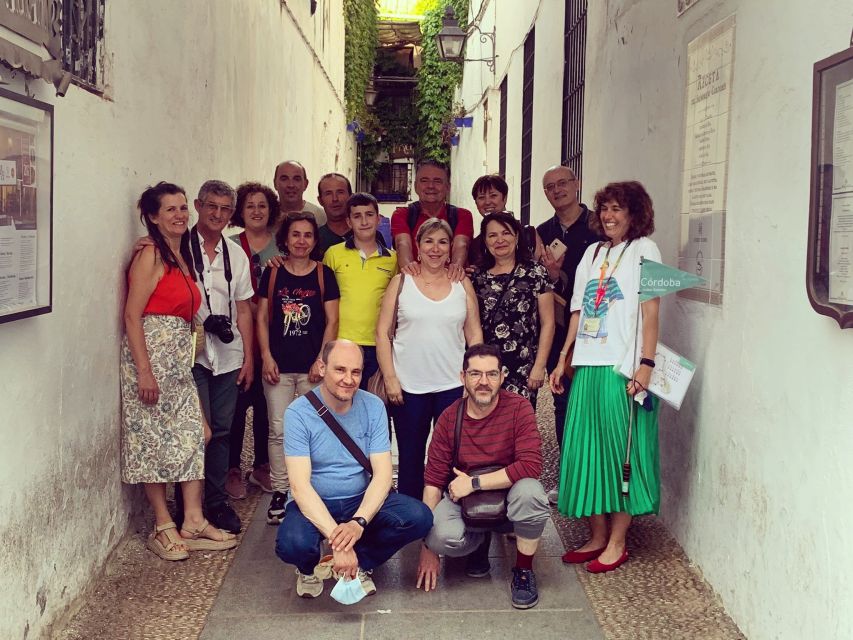
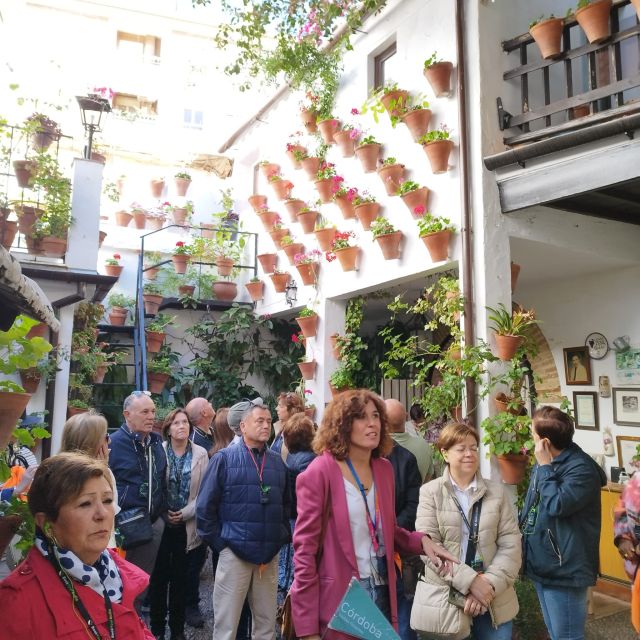
Calleja de las Flores leads into the part of the walk many people associate most strongly with Córdoba: the narrow streets of the Jewish Quarter. The route gives you time to see the lanes and hear how the Jewish past fits into the city’s broader cultural story.
The maze-like streets are a main reason to take a guided walk. It is easy to focus on the pretty lanes and miss their place in the history of the neighborhood. A local guide can add context and point out details you might pass by when exploring alone.
The tour’s approach has appealed to people looking for more than a standard procession of the biggest sights. In particular, one visitor liked that Paula’s route was not simply the typical tour of main attractions. That is a useful expectation: the walk includes recognizable places, but it also gives attention to street-level details and less obvious corners.
A synagogue entry ticket is included. Because the route description does not specify exactly when or how the ticket is used, ask the provider if visiting the synagogue during the two-hour walk is important to you. That small clarification can help you plan the rest of your day.
Finishing at the Roman Bridge
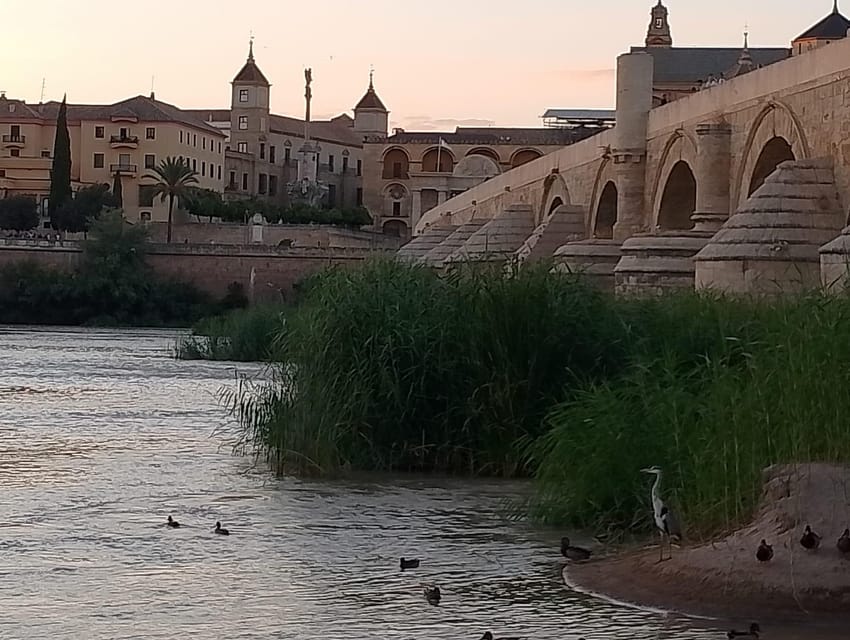
The walk ends at the Roman Bridge of Córdoba, a fitting finish after a route that has moved through several periods of the city’s past. The bridge gives you a clear endpoint and a chance to take in the setting before deciding where to go next.
The route’s beginning and end are useful for orientation. You start at Plaza de las Tendillas, pass through central areas and the Jewish Quarter, and finish at the bridge. In two hours, you get a broad sense of how these places connect without needing to navigate each transition yourself.
The tour includes photo stops, but it is still a guided walk with a set route. If you want to spend a long time at each landmark or explore every side street, plan to return later. The benefit is that you can use the tour to choose what deserves a slower visit.
The guide makes the difference
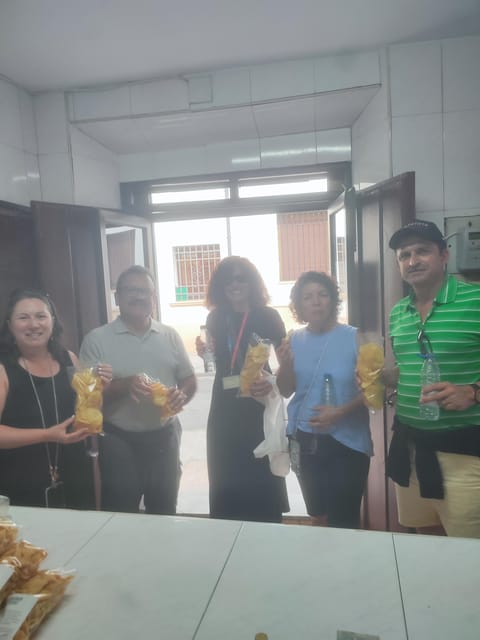
The strongest praise for this experience centers on the guides’ energy and affection for Córdoba. Paula has been described as clearly passionate about the city, while Angela and Angie have been praised for an upbeat, enjoyable style. Antonia has been singled out for her enthusiasm and for sharing her perspective on the city.
Those qualities matter on a short walking tour. A two-hour introduction needs a guide who can make history clear without turning every stop into a lecture. The comments about lively delivery and local perspective suggest that the experience is at its best when the guide connects facts to the streets around you.
Language is the practical limit. The live guide and audio guide are in Spanish. One English-speaking visitor said Antonia summarized between stops, which helped, but you should not count on English explanations being part of every tour. If you speak little Spanish, ask Córdoba Única what language support is available before booking.
Headsets are provided when the group has more than 15 people. Smaller groups do not need them, according to the tour information. This is a sensible detail on a city walk, where street noise and distance can make it harder to hear a guide.
Price, pace, and access
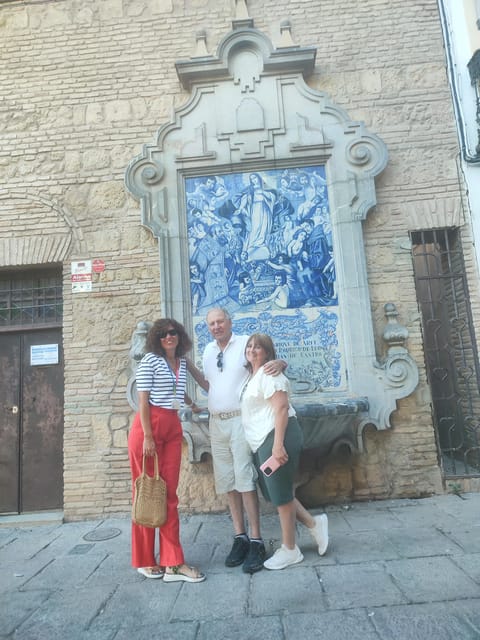
At $11, the price is appealing for a guided route with a local official guide and a synagogue entry ticket included. You are paying for more than the distance covered: the guide’s explanations can help you understand how the city’s different cultural histories fit together. The value is strongest if you are new to Córdoba and want a quick, structured introduction.
The tour lasts two hours, so it is easy to fit into a day with other plans. It is also a useful choice if you have limited time in the city. Still, the short duration means you should not expect extensive visits inside every stop or a detailed study of each historical period.
The tour information calls the route wheelchair accessible, but it also says it is not suitable for people with mobility impairments. Those statements may not mean the same thing to every visitor, so contact the provider before booking if you have mobility needs. Do not assume the route will work for you based on the accessibility label alone.
Comfortable shoes are recommended, and the tour runs whatever the weather. There is free cancellation up to 24 hours before the start, and you can reserve without paying at the time of booking. These policies offer flexibility, but the main decision is whether the Spanish-language format and walking route suit your needs.
Who should book this Córdoba walk?
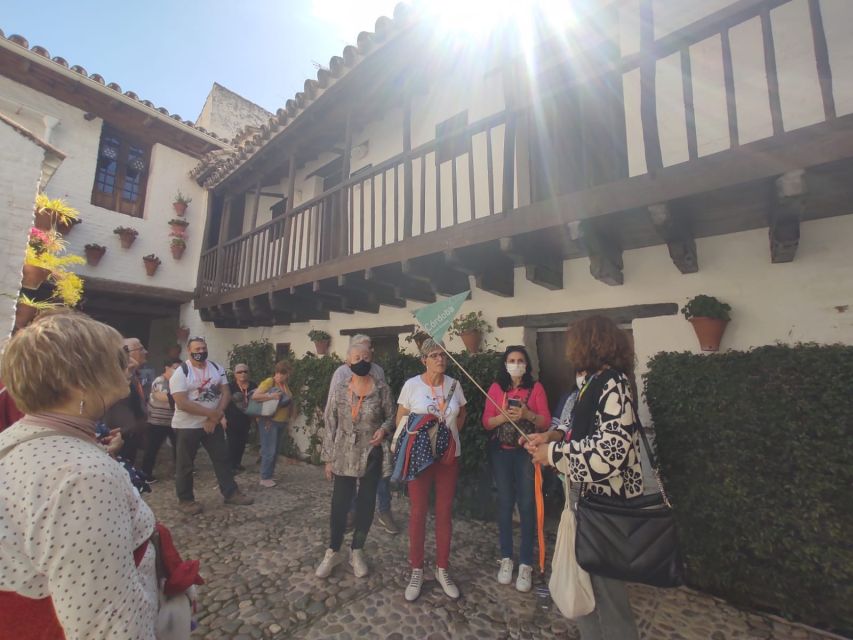
I would choose this tour if you want a concise first look at Córdoba’s Jewish, Arab, and Christian past, especially if you value street-level context and local storytelling. It is also a good fit if you have only a day in the city and want a guide to connect the central sights before you explore independently.
You may prefer a different option if you need an English-language tour, want long visits inside monuments, or have mobility concerns. The tour’s strongest feature is its broad, human-scale overview, not exhaustive access to every site.
Book it for orientation and local perspective, and leave time afterward to revisit the places that catch your interest. If Spanish is a barrier, or if you need clear accessibility details, check with Córdoba Única first.
FAQ
How long is the tour?
The walking tour lasts two hours.
Where does the tour start?
It starts at Plaza de las Tendillas, in front of the equestrian sculpture of the Great Captain. Look for a Córdoba Única flag.
Where does the tour finish?
It finishes at the Roman Bridge of Córdoba.
What language is the tour in?
The live guide and included audio guide are in Spanish. English explanations are not guaranteed.
Is a synagogue ticket included?
Yes, an entry ticket to the synagogue is included. The tour information does not specify when the ticket is used during the walk.
What places are included on the route?
Stops include the Roman Temple of Córdoba, Corredera Square, Plaza del Potro, Calle Pedro Jiménez, Calleja de las Flores, and the Jewish Quarter.
What should I bring?
Comfortable shoes are recommended. The tour takes place in all weather conditions.
Is the tour suitable for people with mobility impairments?
The tour is described as wheelchair accessible, but it is also listed as unsuitable for people with mobility impairments. Contact Córdoba Única to clarify whether the route meets your needs.
Newest tours in Cordoba
- Heritage Córdoba: The most essential tour in Córdoba★ 5.0 · 8 reviews
- Guided tour of Medina Azahara only in french★ 5.0 · 11 reviews
- Full Córdoba tasting★ 4.6 · 24 reviews
- Cordoba: Guided Tour of Medina Azahara at Night★ 4.5 · 92 reviews
- Extra Virgin Olive oil tasting★ 4.9 · 79 reviews
- Cordoba: Early Bird Private Tour of the Mosque-Cathedral★ 5.0 · 14 reviews
- Cordoba City Tour on Your Phone: The Glory of Al-Andalus★ 3.3 · 5 reviews
- Tapas Tour in Córdoba★ 4.1 · 18 reviews
Cordoba Tours, compared.
Skip-the-Ticket-Line Mosque-Cathedral Guided Tour
Read our review →
Cordoba Mosque & Jewish Quarter Tour with Tickets
Read our review →
Skip-the-Line Great Mosque-Cathedral History Tour
Read our review →
Mosque-Cathedral of Córdoba Guided Tour with Tickets
Read our review →
Browse the lists this tour appears in