
Review · SEVILLE TRIANA TOURS
Complete Triana Tour “Corrales included”.
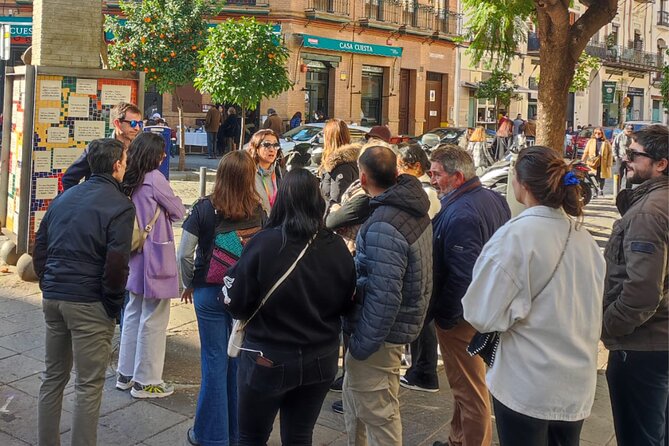
Triana’s story is bigger than its famous bridge and flamenco bars. This two-hour walk crosses into the neighborhood’s quieter corners, with stops at old residents’ courtyards, churches, a ceramic factory and the tunnels of the Royal Almohad Almonas, where soap was once made.
I like two things in particular: the focus on corrales de vecinos, communal courtyards that offer a glimpse of older neighborhood life, and the way the route pairs well-known sights with local history. At $14, it is an appealing way to get oriented and hear the stories behind places you might otherwise pass by.
The main consideration is language: the tour is offered in Spanish, so you’ll get the most from it if you can follow a Spanish-speaking guide. It also packs many stops into two hours, which means this is an overview rather than a slow visit inside every landmark.
At a glance: a compact walk with a local focus

- Courtyards are the special feature: The route includes Triana’s corrales de vecinos and traditional open-air patios, a distinctive look at how residents once shared space.
- The itinerary reaches beyond the riverfront: Alongside the bridges and market, expect stops tied to churches, ceramics, soap-making and the Inquisition.
- The guide speaks Spanish: The tour is led by an accredited local guide, so Spanish comprehension matters.
- The walk lasts two hours: It covers many sights at a steady pace, best suited to an introduction rather than a lengthy visit at each stop.
- It costs $14 per person: That is good value if you want a guided overview of Triana’s history and traditions.
- The route is wheelchair accessible: Stops are described as accessible and comfortable, without hills. In summer, the route uses shaded stops; in winter, it favors sunny ones.
Starting at Torre del Oro, then crossing into Triana
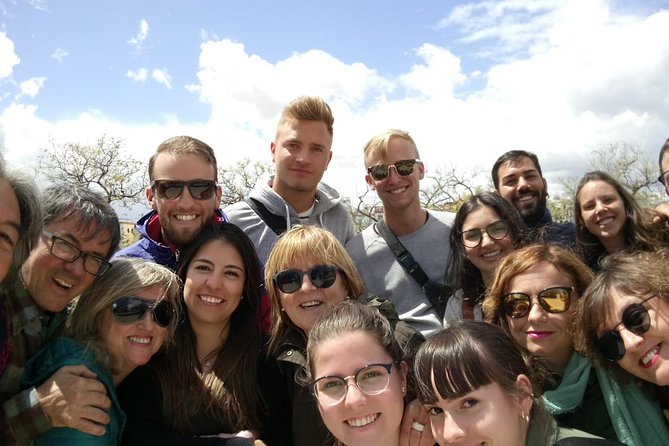
Meet at the gate by the cannons at Torre del Oro, not down by the river. That small instruction is worth noting: the starting point is easy to misunderstand if you head straight to the waterfront. Keep your phone available, as the operator recommends providing a number with WhatsApp so the guide can send directions or reach you if you are delayed.
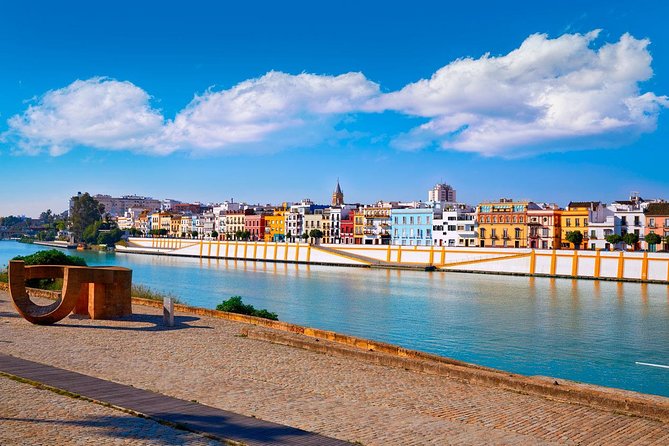
The route begins around Torre del Oro and the Puente de San Telmo before reaching the Puente de Isabel II, better known as Triana Bridge. These bridges help set up the neighborhood’s relationship with the rest of Seville. The walk is not simply a tour of monuments on one side of the river; it is a passage into Triana and its own stories.
At the bridge, you can look back toward the city and then turn your attention to the neighborhood ahead. The guide’s commentary is what makes these crossings useful: expect local history and context, not just a succession of photo stops. The route also covers the old fishing port and the Capillita del Carmen, giving the riverfront a connection to work, devotion and daily life.
More Triana tours in Seville:
- Seville: Live Flamenco Show at “Teatro Flamenco Triana”
★ 4.6 · 3,290 reviews - Seville: Baraka Sala Flamenca Show with Drink in Triana
★ 4.8 · 1,761 reviews - Seville: Traditional Flamenco Show in Triana
★ 4.8 · 1,580 reviews
Santa Ana and Triana’s religious traditions
In the Plazuela de Santa Ana, the tour moves from the river into one of Triana’s important neighborhood settings. The nearby Real Parroquia de Señora Santa Ana is a central stop, and the route also includes the Chapel of Sailors, known for its connection to the devout Esperanza de Triana.
These churches matter here as more than architectural pauses. The tour presents them as part of the neighborhood’s living religious traditions, including the local devotion attached to the Esperanza. If sacred art and church history interest you, this part of the walk should be especially rewarding. The schedule is short, however, so do not expect a long, unhurried visit at each church.
The itinerary also includes the Hermandad de la Estrella. Together, these religious stops show how closely faith and neighborhood identity are linked in Triana. Your guide can help make those connections clearer than a quick look at a church façade would.
Corrales, patios and the quieter side of the neighborhood
The corrales de vecinos are the heart of this tour’s less conventional angle. These traditional residents’ courtyards, along with old houses built around open patios, offer a different view of Triana from the better-known streets and riverfront. They are places to understand how shared spaces shaped neighborhood life.
The tour promises visits to these courtyards, as well as the Patio de la Espartería. That is a strong reason to choose this walk if you have already seen the bridge or plan to spend time around the market. The courtyards give the route a more intimate scale, though the details of which spaces are open can depend on access at the time of the visit.
This is also where the tour’s promise of quiet corners has practical value. Triana is known for its busy streets and bars, but a walk that includes patios can show you a calmer side without asking you to find it on your own. Keep in mind that the guide leads a group, so this is a shared visit, not private access to residential life.
San Jacinto, ceramics and the neighborhood’s working past
The Dominican Convent of San Jacinto adds a quieter historical thread to the route. The convent is presented as an important legacy of Christian orders in Triana, giving the tour a chance to explain how religious institutions helped shape the neighborhood over time.
Ceramics are another essential part of Triana’s identity. The route includes the San Ana Ceramic Factory and its traditional kilns, where the focus is on a craft that remains tied to local heritage. You will also pass streets such as San Jacinto, where the guide can connect shops, bars and street life to the wider story of the area.
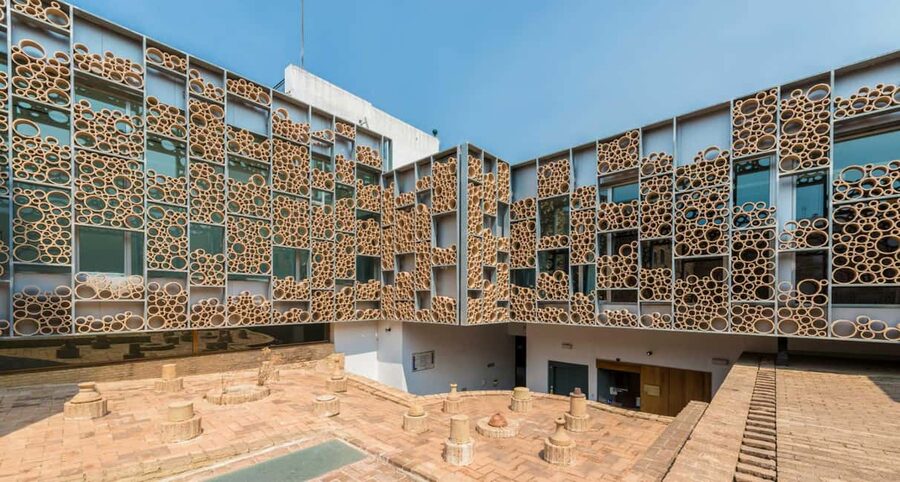
A particularly unusual stop is the Royal Almohad Almonas. The tour includes its tunnels and explains their connection to soap production, once popular in Europe and the Americas. This is the kind of detail that makes the walk more than a checklist of churches and bridges: it introduces the trades and industries that gave Triana a wider reach.
The itinerary is ambitious for two hours, with several locations and layers of history. Expect concise explanations at each stop. If you want to spend a long time studying ceramics or visiting a church interior, plan a separate visit afterward rather than relying on this tour to provide it.
Same city, a different kind of day:
- Seville: Royal Alcázar Entry Ticket
★ 4.6 · 28,378 reviews - Seville: Cathedral and La Giralda Entry Ticket
★ 4.5 · 24,592 reviews - Seville: Live Flamenco Dancing Show Ticket at the Theater
★ 4.7 · 16,396 reviews - Seville: Casa de la Memoria Flamenco Show
★ 4.8 · 12,964 reviews
Castle of San Jorge and the hard history of Triana
The Castle of San Jorge brings a darker chapter into the walk. The site is linked to the Spanish Inquisition, and the tour uses it to evoke the fear and sorrow associated with that history. Its position in the heart of Triana makes it a striking contrast to the neighborhood’s lively street culture.
The route also includes Calle San Jorge, tying the castle to the surrounding streets rather than treating it as an isolated stop. This is useful context: the story of Triana includes devotion, craft and celebration, but it also includes persecution and painful episodes. A balanced tour needs room for both.
The castle is listed as a place the tour visits, but the precise amount of time spent there is not specified. Treat it as one stop in a broad walking route, not as a guaranteed in-depth museum visit.
Betis Street, the market and a useful finish

The walk also takes in Betis Street, San Jacinto Street, the old fishing port and the famous Triana Bridge. These are the places where Triana’s social side comes into view, with bars, local stories and legends. The guide can point out the connections behind the scenery and help you distinguish neighborhood lore from the headline sights.
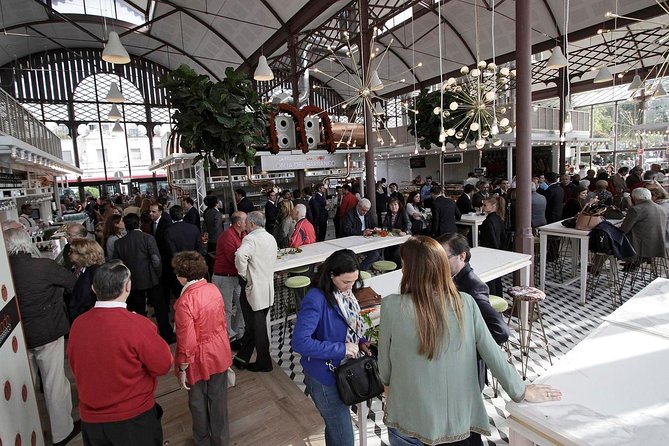
Triana Market is the natural final chapter. It is one of the district’s best-known places, and the guide offers advice on what to eat and where to try Triana, Sevillian and gypsy tapas. That practical guidance is a real bonus if you want to continue exploring after the walk. You can finish with ideas for a meal instead of simply being left at a landmark.
The stated route ends around the market and Plaza del Altozano, though the meeting details also describe the activity as ending back at the meeting point. Confirm the exact finish with the operator if you have a tight onward plan. Either way, the market area is a useful place to continue your visit.
Is $14 fair value for two hours?

At $14 per person, the price is modest for a guided walk that covers churches, courtyards, ceramic heritage, a historic castle, soap-making tunnels and the market. The value is strongest if you want a local guide to connect those subjects and introduce corners you might not seek out independently.
It is less compelling if you need an English-language tour or prefer long stops and independent time at each place. The guide speaks Spanish, and the schedule has a lot to cover in two hours. You are paying for breadth and interpretation, not a private or slow-paced visit.
The tour is wheelchair accessible, and the stops are described as comfortable and without hills. It also adjusts its choice of stops to the season, favoring shade in summer and sun in winter. Speakers are not allowed. Children and teenagers require their own seats, so include them when booking.
Free cancellation is available up to 24 hours in advance, and you can reserve now and pay later. Those flexible terms are handy if your plans are still shifting, but the main decision is simpler: book for the Spanish-language stories and courtyards, not for an extended interior visit.
Should you book the Complete Triana Tour?
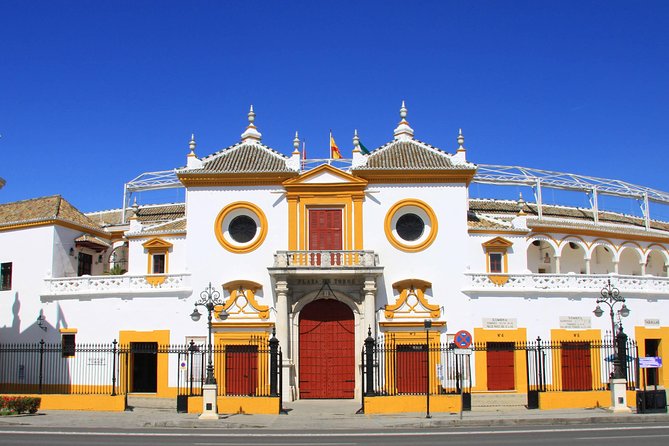
I would choose this tour if you want a concise introduction to Triana that reaches beyond the bridge, river and tapas streets. The corrales, ceramic kilns, churches and Almohad soap tunnels give the route a distinct focus, while the market advice can help you make the most of the neighborhood afterward.
Skip it if you need commentary in a language other than Spanish, or if you want to explore each site at length. For a Spanish-speaking visitor with two hours to spare, it is a good-value way to see Triana’s public landmarks and less obvious corners in one walk.
FAQ
How long is the tour?
The tour lasts two hours. Starting times depend on availability.
What language is the tour in?
The live tour guide speaks Spanish.
How much does the tour cost?
The listed price is $14 per person.
Where does the tour start?
Meet at the gate of Torre del Oro beside the cannons, not down by the river.
Where does the tour finish?
The route is described as ending in the Triana Market area, at Plaza del Altozano. The meeting details also say the activity ends back at the meeting point, so confirm the finish location if it matters for your plans.
Is the tour wheelchair accessible?
Yes. The tour is listed as wheelchair accessible, and its stops are described as accessible and comfortable without hills.
What should I know about the courtyards?
The tour includes visits to corrales de vecinos and traditional courtyards in old houses. Access to specific spaces may vary.
Can I cancel or pay later?
You can cancel up to 24 hours in advance for a full refund. The reserve-now, pay-later option lets you book without paying immediately.
Newest tours in Seville
- Intimate Flamenco: Exclusive Experience in Sevilla★ 4.9 · 69 reviews
- Highlights of Seville Monuments private Guided Tour★ 4.9 · 4 reviews
- From Seville: Horseback Riding Experience in Aljarafe★ 4.3 · 51 reviews
- From Seville: Andalusian Horseback Ride★ 4.9 · 28 reviews
- Enchanted Seville: Private Walking Tour★ 4.6 · 3 reviews
- Heritage Córdoba: The most essential tour in Córdoba★ 5.0 · 8 reviews
- Guided tour of Cadiz in French with a local guide★ 5.0 · 43 reviews
- Guided visit on foot through Cádiz: stories from the hand of a local guide★ 4.9 · 62 reviews
Seville Triana Tours, compared.
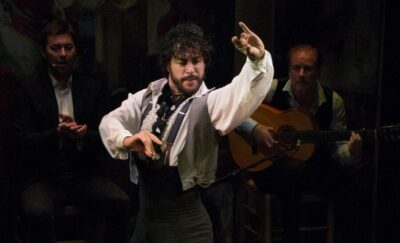
Live Flamenco Show at “Teatro Flamenco Triana”
Read our review →
Baraka Sala Flamenca Show with Drink in Triana
Read our review →

Spanish Cooking Class & Triana Market Tour in Sevilla
Read our review →
Flamenco Show Tickets to the Triana Flamenco Theater
Read our review →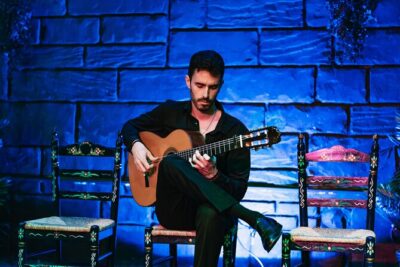

Browse the lists this tour appears in